
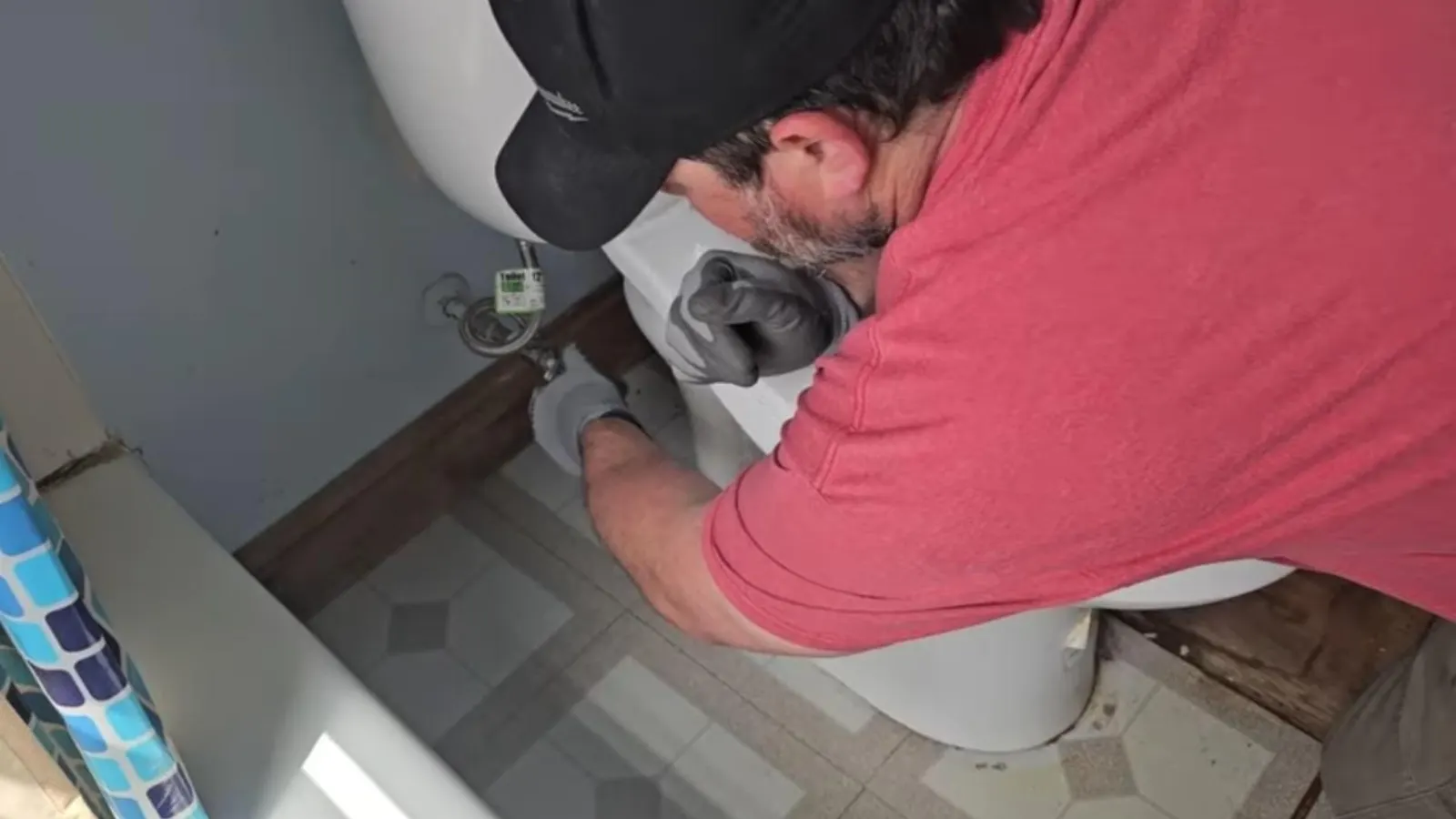
What the vent does
Every drain needs air behind the water, and the vent stack that rises through the wall and out the roof supplies it. Without that air, water leaves the toilet slowly and a vacuum can pull water out of nearby traps.
A vent can clog with leaves, a bird or rodent nest, debris from construction or ice. A blocked vent is quiet until it matters, and then the symptoms spread across several fixtures.
Symptoms of a clogged vent
- Gurgling from the toilet, sink or tub when another fixture drains.
- A toilet that flushes slowly or leaves the bowl low.
- Bubbles rising in the bowl after a flush.
- A sewer smell at a fixture, because a trap seal was pulled out.
- Several fixtures acting up at once while the main line is clear.
Vent clog or drain clog?
| Clue | Points to a vent problem | Points to a drain clog |
|---|---|---|
| Which fixtures are affected | Several, in the same bathroom group | One fixture, or the lowest in the house |
| Water backs up | Rarely | Often |
| Gurgling | Common | Sometimes |
| Plunging helps | Not for long | Often |
| Sewer smell | Yes, from siphoned traps | Yes, if sewage backs up |
Gurgling toilets or slow drains?
Call and describe what you see. A technician checks both the drain and the vent.
What a plumber does about it
A plumber checks the drain first with a cable or a camera, since a drain clog is more common. If the drain is clear, the vent is next, and the technician uses a camera or a cable from the roof to find and clear the blockage.
Roof work is dangerous and the vent is often steep or hard to reach, which is why this is not a good DIY job. Our toilet repair visit rules out the fixture, and drain cleaning clears the line before we turn to the vent.
A simple test you can do at home
Write down what you hear and see, with dates. A plumber can use that record to focus the search.
- Run water in the sink and listen at the toilet. Gurgling at the toilet suggests the vent is struggling.
- Flush the toilet and watch the water level. A bowl that drops low or bubbles after a flush points to a vent or a partial drain clog.
- Run the shower while flushing a different toilet. If more than one fixture acts up, the problem is shared.
- Note which fixtures are affected, since the pattern helps the plumber find the stack.
What can block a vent
A vent that has been blocked for a while may also hide a cracked or collapsed section, which a camera can reveal. The fix then moves from clearing to repair.
Leaves and debris
Wind and trees drop material into the open top of the vent.
Nests
Birds and small animals sometimes build in a vent opening.
Construction material
Insulation, tape and scraps can fall into the pipe during building.
Ice or snow
Rare in mild weather, but a hard freeze can narrow a vent opening.
Why not to climb the roof yourself
Vent terminations sit on the roof, and roofs are slippery and steep. Falls from a roof cause serious injuries every year, and a plumber has the harness, ladder and camera to reach the vent safely.
You can still help by noting the symptoms and which fixtures are affected, and by clearing a path to the roof access if there is one.
When the symptoms point somewhere else
Gurgling and slow flushing can also come from a partial blockage in the main drain, a failing wax ring or a cracked drain pipe. A plumber rules those out first because they are more common than a blocked vent.
If a cable clears the drain and the symptoms continue, the vent becomes the main suspect. At that point a camera on the roof side confirms whether air can pass.
What a plumber does to confirm a blocked vent
The plumber checks the fixtures for gurgling, runs water to watch how each drains and then inspects the roof termination. A camera or a gentle flush of water down the vent shows whether air can pass.
If the vent is blocked by leaves, a nest or ice, clearing it often restores normal drainage the same day. If the pipe is crushed or cracked, the fix is a repair of the vent section.
One more thing to check
A blocked vent can also cause a slow drain at a shower or tub, because the air that should enter behind the water cannot. The fixture empties in gulps and leaves a gurgle.
If more than one fixture shows the same sign, a vent or the main drain is more likely than a single trap. Note the pattern before you call so the plumber starts in the right place.
Wilsonville note: new construction and vents
The city's neighborhood page says Villebois, its largest new neighborhood, is still under construction, and that Frog Pond has three subdivisions underway. Construction debris can end up in a vent during a build, and a symptom in a recent home is worth reporting to the builder before you pay for a repair.
Whether a repair under warranty is the builder's job depends on your paperwork. Document the symptoms with dates, ask the builder what is covered and keep any plumber's notes. For homes in nearby Sherwood and elsewhere, the same steps apply.
Frequently asked questions
Gurgling, slow flushes, bubbles in the bowl and sewer smells at several fixtures are the usual signs.
Yes. Without air behind the water, the toilet cannot empty quickly.
Roof work is dangerous. We recommend having a plumber do it.
A vent problem tends to affect several fixtures and cause gurgling without much backing up. A drain clog usually backs up at the lowest fixture.
Yes. Construction debris or a nest can block a vent in a new home. Report it to the builder in case it is a warranty item.