
How a trap works, and where an S-trap goes wrong
Every fixture drain has a trap, a curve that holds a small amount of water. That water is a seal that blocks sewer gas from coming up the drain and into the room.
A P-trap turns sideways into the wall, and that horizontal run plus a vent keeps the water seal in place. An S-trap drops down and exits through the floor or goes straight down, and when water rushes through it, it can pull the seal out like a siphon.
Signs you have an S-trap
- Gurgling at a sink or tub when it drains.
- A sewer smell in the room, especially after the fixture has not been used for a while.
- The drain pipe under the sink drops straight into the floor and has an S-shaped bend.
- A fixture that drains very fast and then makes a sucking sound.
- A dry trap, with no water standing in the curve.
Sewer smell or gurgling at a sink?
Call and describe what you see. A technician can check the trap and the vent.
Fixing an S-trap: the options
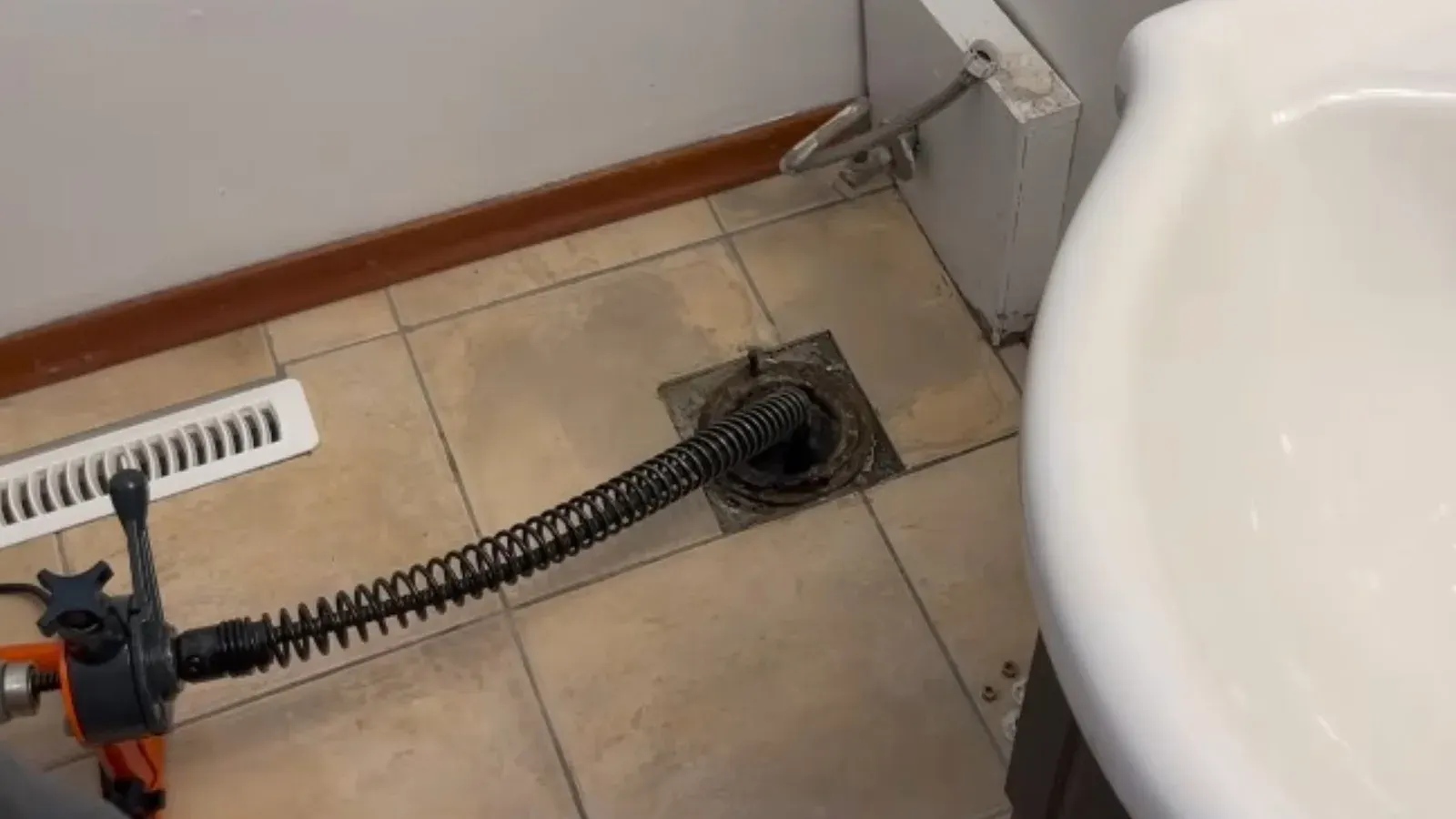
A good plumber checks what the existing vent can support before choosing. Our plumbing installation team handles reroutes, and drain cleaning can clear a trap that has been fouled by a siphon and a dry seal.
| Option | How it works | Things to check |
|---|---|---|
| Convert to a P-trap with a proper vent | Reroute the drain so it goes sideways into a vented wall line | Needs a vent connection, which may mean opening a wall |
| Use an air admittance valve where allowed | A one-way valve lets air in so the trap is not siphoned | Whether your building division allows one for your fixture |
| Leave it, and keep the trap filled | Run water regularly so the seal stays | Not a real fix if it siphons often |
Why S-traps get installed
S-traps are usually a shortcut. A sink installed in a spot with no easy wall vent, or a remodel done without a permit, can leave one behind.
The fix is rarely just a different trap. It is a change to how the drain and vent connect, and that is why the work usually needs a plumber, and often a permit.
Keeping any trap healthy
A trap that keeps losing its water is a symptom. It tells you about siphoning, a missing vent or a crack, and the cause is worth finding.
- Run water in rarely used sinks, tubs and floor drains every few weeks so the seal does not evaporate.
- Keep hair and debris out with strainers.
- Do not use chemical drain openers in a trap that already gurgles, since they cannot fix a venting issue.
- If a smell appears, pour water into the trap first, since a dry trap is the simplest cause.
What a repair visit looks like
A plumber starts by confirming the trap type and checking whether the fixture has a vent. They may run a quick water test to see whether the trap seal holds when the fixture drains.
From there you get options with a clear price, usually a conversion to a vented P-trap or, where the building division allows it, an air admittance valve. The plumber also tells you whether a permit is needed.
A quick home check
Look under your sinks. If the drain pipe drops from the sink, makes an S-shaped curve and goes straight into the floor, it is likely an S-trap. If it curves and then runs sideways into the wall, it is a P-trap.
Take a photo and note whether the sink gurgles or smells. That information helps a plumber decide quickly whether the trap is the problem or a clog is.
Why S-traps are no longer used
An S-trap can pull water out of itself as it drains, a siphon effect that empties the trap and lets sewer gas into the room. A trap that holds a water seal keeps that gas out.
Modern practice uses a P-trap with a vent so air can enter behind the draining water. If you own a home that still has an S-trap, a conversion is a modest job on most sinks.
One more thing to check
Home inspectors often flag an S-trap in a report. If you are buying a house, ask whether the seller will correct it or credit you for the work.
The fix is usually inexpensive compared with other items on an inspection list, and it removes a source of smells that can bother a household for years.
Ask the plumber to show you the old trap after removal, so you can see for yourself how the pipe was shaped and why it failed.
Wilsonville note: code, permits and who decides
Plumbing work in Oregon follows the Oregon Plumbing Specialty Code, and Wilsonville handles permits through an online portal for building, plumbing, mechanical and fire work. The portal page does not say when a permit is required, so ask the Wilsonville building division before converting a trap.
Whether an air admittance valve is allowed for a given fixture is the same kind of question, and the building division is the one that can answer it. A home of any age can have an S-trap, and a remodeled sink in any older house, or a Charbonneau home from the 1970s, is as likely a home for one as any other. See how we work in Sherwood too, where permit rules differ.
Frequently asked questions
A P-trap turns sideways into a vented wall line. An S-trap goes straight down, which can siphon the water seal out.
Many codes restrict them because they can siphon dry. Ask the Wilsonville building division how the Oregon Plumbing Specialty Code applies to your fixture.
Converting one means changing the drain and vent layout, which is usually a plumber's job and may need a permit.
A siphoning trap, a partial clog or a missing vent can all cause it. A technician checks each.
The city's portal page does not say. Ask the Wilsonville building division.